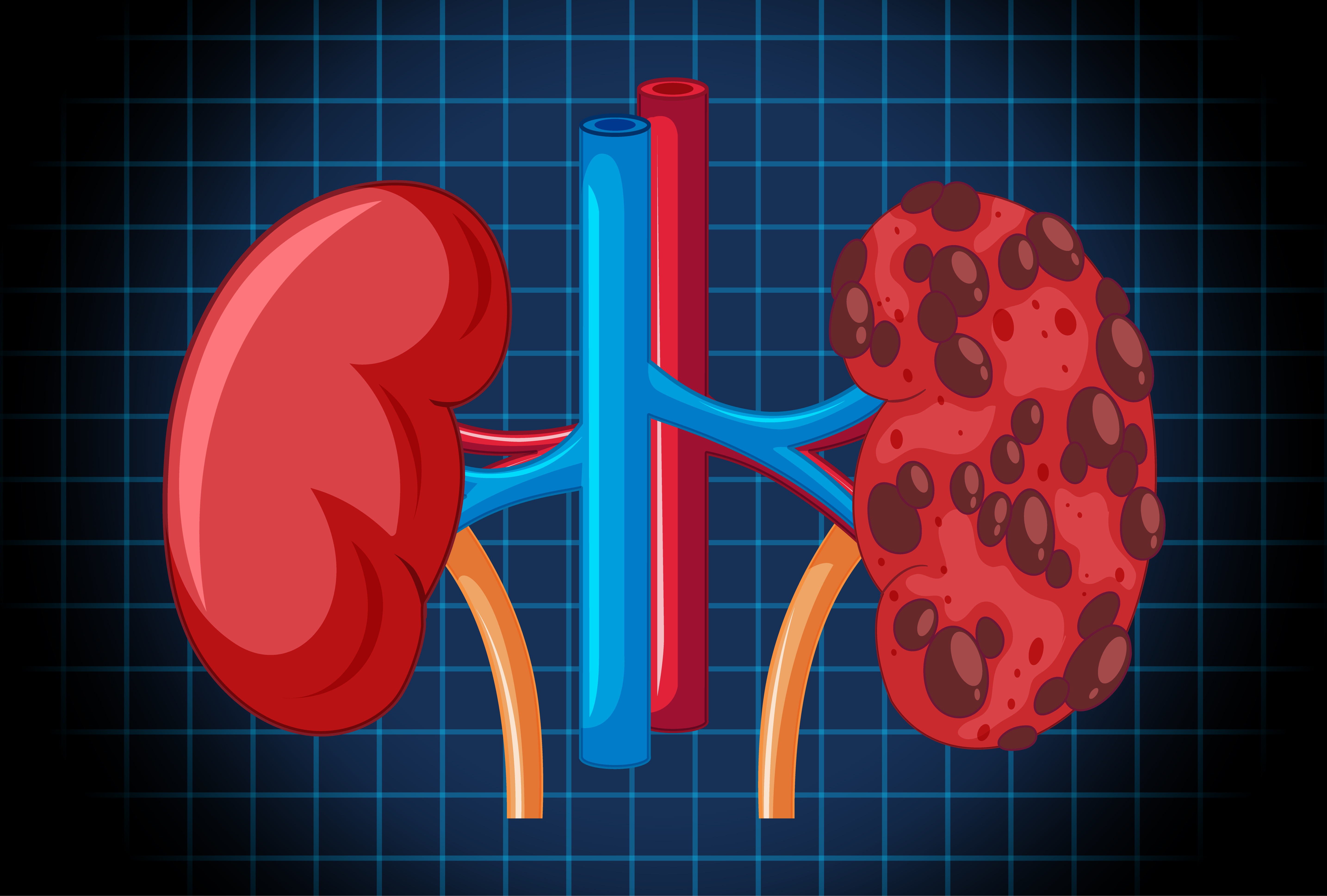
What is Polycystic Kidney Disease (PKD)?
Kidney health plays a crucial role in maintaining overall well-being. Among the many kidney-related conditions, Polycystic Kidney Disease (PKD) is a genetic disorder that causes multiple fluid-filled cysts to grow in the kidneys, affecting their function over time.
Early detection is key to managing this condition effectively. In this blog, we will explain everything you need to know about PKD, including its types, symptoms, causes, and how to detect it in the early stages.
Types of Polycystic Kidney Disease You Should Know
- Autosomal Dominant PKD (ADPKD) – Most common type, symptoms appear in adulthood, passed from one parent
- Autosomal Recessive PKD (ARPKD) – Rare and severe, diagnosed in infancy or childhood, requires both parents to carry the gene
Early Signs and Symptoms of PKD
- High blood pressure
- Back or side pain
- Frequent urination
- Blood in urine
- Enlarged abdomen
These are also considered symptoms of kidney cyst disease in adults, especially when they appear persistently.

Causes and Risk Factors of PKD
- Genetic mutations passed through family
- Inherited gene defects
- Family history of PKD
- High blood pressure
- Age (symptoms often appear in adulthood)
How to Detect PKD in Its Early Stages
- Ultrasound imaging
- CT scan or MRI
- Blood tests to check kidney function
- Urine tests for abnormalities
What are the First Signs of PKD?
- Mild back pain
- Slight increase in blood pressure
- Occasional blood in urine
- Fatigue
Early Diagnosis and Treatment of PKD
- Better management of symptoms
- Reduced risk of kidney failure
- Improved quality of life
- Blood pressure control medications
- Lifestyle modifications
- Regular monitoring of kidney function
Symptoms of Kidney Cyst Disease in Adults
- Severe abdominal pain
- Kidney infections
- Kidney stones
- Decreased kidney function
Best Tests to Diagnose Polycystic Kidney Disease
- Ultrasound (most commonly used)
- CT scan for detailed imaging
- MRI for advanced cases
- Genetic testing (if family history is present)
Can PKD be Detected Early and Treated?
- Yes, early detection helps manage symptoms
- Slows disease progression
- Maintain healthy blood pressure
- Follow a kidney-friendly diet
- Stay hydrated
- Avoid smoking and alcohol
Why Choose Nephron Kidney Centre
- Experienced nephrologists
- Advanced diagnostic facilities
- Personalized treatment plans
- Focus on early detection and prevention
Frequently Asked Questions (FAQs)
Polycystic Kidney Disease (PKD) is a genetic disorder where multiple cysts form in the kidneys, affecting their function over time.
Early detection involves imaging tests like ultrasound, along with blood and urine tests for accurate diagnosis.
Initial signs include mild back pain, high blood pressure, and occasional blood in urine.
Ultrasound, CT scan, MRI, and genetic testing are commonly used to diagnose PKD.
Yes, early detection helps manage symptoms and slows the progression of the disease effectively.
Symptoms include abdominal pain, high blood pressure, kidney stones, and reduced kidney function.
Conclusion
Understanding Polycystic Kidney Disease (PKD) and recognizing early warning signs can make a significant difference in managing the condition. Awareness and timely diagnosis are key to better health outcomes.
Nephron Kidney Centre is committed to providing advanced care, helping patients detect, monitor, and manage kidney conditions with expert support.
Early diagnosis and proper care can significantly improve quality of life and prevent complications related to kidney diseases.