Foamy Urine: Causes and Treatment
Noticing bubbles or foam in your urine can sometimes be surprising. While occasional foamy urine may occur due to simple reasons such as a strong urine stream or dehydration, frequent or persistent foam should not be ignored. In some cases, it may indicate protein in urine, which can be an early sign of kidney-related problems.
Understanding the possible causes of foamy urine can help you identify when medical attention is necessary. The appearance of urine alone cannot confirm a kidney condition, but changes that continue over time deserve proper evaluation.
In this blog, let us understand what foamy urine means, its common causes, when it may be linked to kidney disease, and the available diagnosis and treatment options.
What Is Foamy Urine?
Foamy urine refers to urine that appears bubbly or forms a layer of foam when passed. It may look similar to soap bubbles or froth in the toilet bowl.
A few bubbles that disappear quickly are usually not a reason to worry. However, thick, persistent foam that appears regularly may require medical evaluation.
The appearance of urine can change depending on hydration, urine flow, and certain health conditions. One important cause doctors look for is proteinuria, which means an increased amount of protein in the urine.
Is Foamy Urine Normal? Harmless Causes of Bubbly Urine
Not every instance of bubbles in urine indicates a health problem. Several temporary factors can make urine appear foamy.
Common harmless reasons include:
- Strong urine stream: Passing urine with force can create bubbles when it hits the toilet water.
- Dehydration: When you do not drink enough water, urine becomes more concentrated and may appear darker or foamier.
- Full bladder: Holding urine for a long time may result in a stronger stream.
- Toilet cleaning products: Soap or cleaning chemicals in the toilet bowl can create foam when urine comes into contact with them.
- Temporary changes: Occasional bubbles may appear without any underlying medical condition.
For example, foamy urine in the morning may sometimes be related to concentrated urine after several hours without drinking water overnight.
If the foam disappears quickly and does not occur regularly, it may not be concerning. However, persistent or repeated foamy urine should be checked by a healthcare professional.
Medical Causes of Foamy Urine
When foamy urine occurs frequently, certain medical conditions may need to be considered.
Some common medical causes include kidney conditions, diabetes, high blood pressure, urinary tract infections and disorders affecting the kidney's filtering system.
These conditions cannot be diagnosed based on foam alone. A urine test and other investigations may be necessary to identify the actual cause.
Foamy Urine and Protein in Urine (Proteinuria)
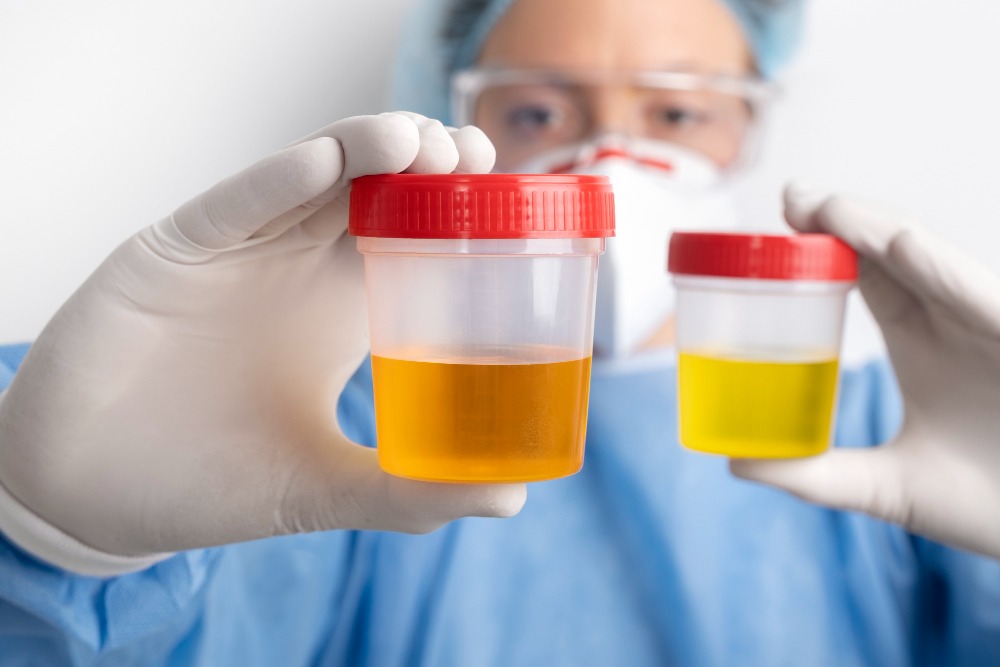
One important reason for persistent foamy urine is protein in urine, medically known as proteinuria.
Healthy kidneys filter waste products from the blood while retaining essential substances such as proteins. When the kidney's filtering units become damaged, proteins such as albumin may leak into the urine.
This can cause urine to appear unusually foamy or frothy. However, not everyone with proteinuria will notice visible foam, and foamy urine does not always mean protein is present.
Proteinuria may be associated with:
- Diabetes-related kidney damage
- High blood pressure
- Kidney inflammation
- Certain kidney diseases
- Temporary conditions such as fever or intense physical exercise
A urine albumin-to-creatinine ratio (UACR) test can help detect small amounts of albumin in urine. Early identification is important because some kidney conditions can be managed more effectively when detected at an early stage.
When Foamy Urine Could Signal a Kidney Problem
Persistent foamy urine may sometimes be an early warning sign of kidney damage. The kidneys play an important role in removing waste, balancing fluids, and maintaining essential minerals in the body.
When kidney function is affected, protein may leak into the urine. This is one reason doctors investigate repeated foamy urine, particularly when other symptoms are present.
Other Symptoms That May Appear with Foamy Urine
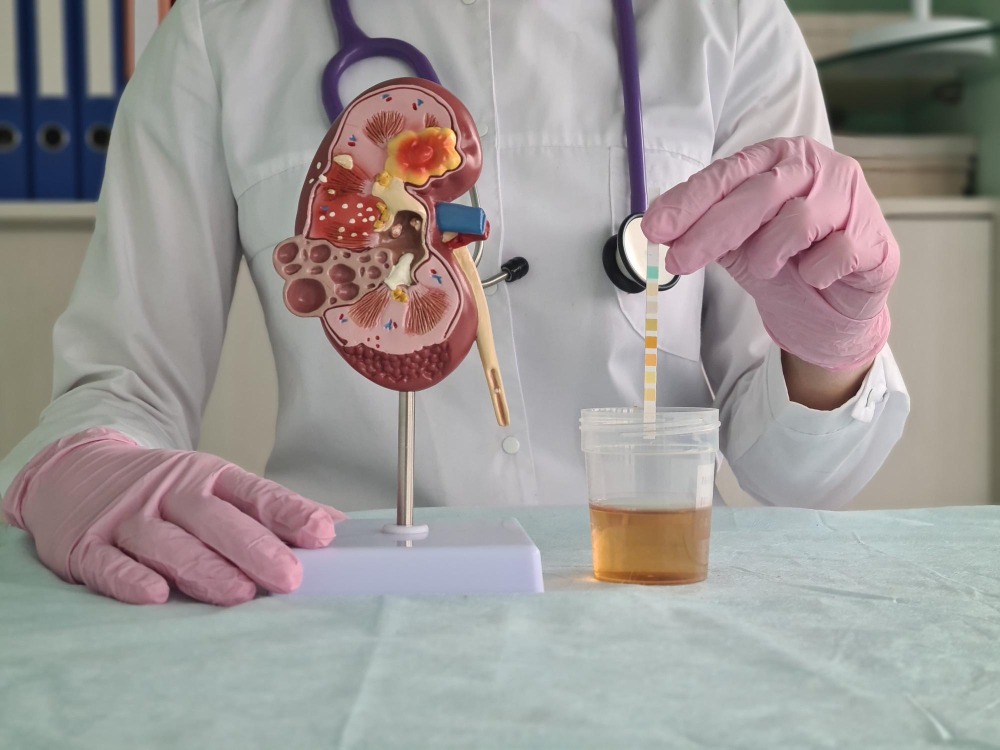
Foamy urine may occur without any other symptoms. However, when it is associated with an underlying medical condition, additional changes may appear.
Pay attention to symptoms such as:
- Swelling: Puffiness around the eyes or swelling in the feet and ankles may occur when the body retains excess fluid.
- Frequent urination: Changes in urination frequency may be associated with diabetes or urinary conditions.
- Burning sensation: Pain or burning while passing urine may suggest a urinary tract infection.
- Blood in urine: Pink, red, or brown urine needs medical evaluation.
- Fatigue: Persistent tiredness may occur with certain kidney conditions.
- Changes in urine quantity: Passing significantly more or less urine than usual should be discussed with a doctor.
Some people may also experience foamy urine due to temporary factors such as dehydration or a forceful urine stream. However, persistent foam should not automatically be considered harmless. The underlying cause needs to be evaluated.
Seek urgent medical attention if you experience very little or no urine output, severe breathlessness, significant swelling, or visible blood in your urine.
When to See a Urologist or Kidney Specialist
Occasional bubbles in urine may not require medical attention. However, you should consult a doctor if the foam continues to appear regularly, becomes more noticeable, or occurs along with other symptoms.
Consider scheduling an evaluation if:
- Foamy urine persists for several days or keeps returning.
- You have diabetes or high blood pressure.
- You notice swelling in your face, hands, or legs.
- You experience changes in urine colour or quantity.
- You have a history of kidney-related problems.
- You experience pain, burning, or blood while passing urine.
A urologist evaluates conditions involving the urinary tract, while a nephrologist specialises in kidney function and kidney diseases.
If you are searching for a Kidney Specialist in Hanamkonda and Warangal, choose a qualified specialist who can assess your symptoms and recommend the appropriate investigations. Depending on the suspected cause, a consultation with a urologist may also be appropriate.
Tests Used to Diagnose the Cause of Foamy Urine
A doctor may recommend specific tests to identify why your urine appears foamy. The investigations depend on your symptoms, medical history, and risk factors.
Common tests include:
- 1. Urine Routine Examination: Checks urine for protein, blood, infection, and other abnormalities.
- 2. Urine Albumin-to-Creatinine Ratio (UACR): Helps detect albumin leakage into urine, even in small amounts.
- 3. Urine Protein-to-Creatinine Ratio: Measures the amount of protein being passed through urine.
- 4. Blood Creatinine Test: Helps assess kidney function.
- 5. Estimated Glomerular Filtration Rate (eGFR): Estimates how effectively the kidneys filter waste from the blood.
- 6. Blood Sugar Test: Helps identify diabetes or assess blood sugar control.
- 7. Blood Pressure Measurement: Checks for high blood pressure, which can affect kidney health.
- 8. Ultrasound Scan: May be recommended to examine the kidneys and urinary tract when clinically required.
Not everyone needs all these tests. Your doctor will decide which investigations are suitable based on the findings.
Treatment and Lifestyle Care for Foamy Urine
The right foamy urine treatment depends on the underlying cause. There is no single medicine that treats foamy urine itself.
If dehydration is responsible, drinking enough water throughout the day may help. If proteinuria is detected, treatment focuses on identifying and managing the condition causing protein leakage.
Depending on the diagnosis, treatment may include:
- Managing Diabetes: Keeping blood sugar levels under control helps protect kidney function.
- Controlling Blood Pressure: Following medical advice and taking prescribed medication can reduce the risk of further kidney damage.
- Treating Infections: If a urinary tract infection is diagnosed, the doctor may prescribe appropriate treatment.
- Managing Kidney Conditions: Specific kidney disorders may require medication, monitoring, or specialised treatment.
- Following a Balanced Diet: A doctor or dietitian may recommend suitable dietary changes based on kidney function.
- Regular Monitoring: Follow-up urine and blood tests can help track kidney health.
Healthy habits also support kidney function. Drink adequate water according to your needs and medical advice, reduce excessive salt intake, avoid smoking, stay physically active, and do not take painkillers or other medicines unnecessarily without medical guidance.
Do not start medication or follow a restrictive kidney diet just because you notice foam in your urine. Proper diagnosis should come first.
Foamy Urine and Long-Term Kidney Health
Persistent foamy urine deserves attention, especially when it occurs along with swelling, changes in urine output, high blood pressure, or other unusual symptoms.
The kidneys help remove waste products, maintain fluid balance and regulate important minerals. Conditions such as diabetes and uncontrolled high blood pressure can affect kidney function over time.
Identifying protein in urine at an early stage can help doctors evaluate possible kidney damage and recommend appropriate management. Regular monitoring is particularly important for people with existing kidney conditions or risk factors.
Foamy Urine Diagnosis and Treatment at Nephron Kidney Centre
At Nephron Kidney Centre, patients concerned about changes in urine appearance can seek medical evaluation to understand the possible cause. A specialist may recommend appropriate urine and blood investigations based on individual symptoms and medical history.
If you are experiencing repeated foamy urine or have concerns about your kidney health, do not rely on appearance alone to determine the cause. Consult a qualified healthcare professional for proper assessment and guidance.
For those looking for kidney care in Hanamkonda and Warangal, Nephron Kidney Centre can be considered for consultation and further evaluation.
Understanding Kidney Health at Nephron Kidney Centre
Persistent foamy urine can sometimes be associated with protein leakage and underlying kidney conditions. Identifying the root cause is important for choosing the right medical approach.
Consult our specialists in Hanamkonda and Warangal for a comprehensive medical evaluation, appropriate diagnostics, and individualised care guidance.
When Should You Consult a Kidney Specialist for Foamy Urine?
You should consult a kidney specialist if foamy urine persists, keeps returning, or occurs with swelling, high blood pressure, blood in urine, or changes in urine output. Early evaluation can help identify possible kidney-related conditions and guide appropriate treatment. Contact Nephron Kidney Centre for professional medical guidance.
Nephron Kidney Centre
Frequently Asked Questions About Foamy Urine
No. Foamy urine can occur due to dehydration, a strong urine stream, or cleaning products in the toilet. However, persistent foam may indicate protein in urine, which can sometimes be associated with kidney problems. A urine test can help identify the cause.
Foamy urine in the morning may occur because urine becomes more concentrated overnight when you are not drinking water. A strong urine stream can also create bubbles. If the foam is persistent or continues throughout the day, consult a doctor for evaluation.
Protein in urine, also called proteinuria, means that more protein than normal is passing through the kidneys into the urine. It may occur when the kidney's filtering units are affected. A urine albumin test can help detect this condition.
Yes. Dehydration can make urine more concentrated, which may contribute to a foamy appearance. Drinking adequate water may help if dehydration is the cause. However, persistent foamy urine should not automatically be attributed to dehydration.
Not always. It may occur due to dehydration, a forceful urine stream, or temporary changes. However, repeated foamy urine, especially with swelling, pain, blood in urine, or changes in urination, needs medical evaluation.
You cannot confirm proteinuria by looking at urine. A urine routine examination or urine albumin-to-creatinine ratio test can help detect protein leakage. Your doctor may recommend additional tests depending on the results.
Yes, if it is caused by temporary factors such as dehydration or a strong urine stream, it may disappear when those factors are corrected. If it continues to occur regularly, medical evaluation is recommended to rule out underlying conditions.
Doctors may recommend a urine routine test, urine albumin-to-creatinine ratio, blood creatinine, eGFR, blood sugar testing, and blood pressure measurement. An ultrasound may also be suggested when necessary.
There is no single treatment for foamy urine. Treatment depends on the underlying cause. For example, dehydration requires adequate fluid intake, while proteinuria associated with kidney disease may need specific medical management and regular monitoring.
Consult a kidney specialist if foamy urine persists, keeps returning, or occurs with swelling, high blood pressure, blood in urine, or changes in urine output. Early evaluation can help identify kidney-related conditions and guide appropriate treatment.