Enlarged Prostate (BPH): Symptoms and Treatment
Frequent urination, a weak urine stream, or difficulty emptying the bladder may be signs of an enlarged prostate, also known as benign prostatic hyperplasia (BPH). Although this condition is common in older men, symptoms vary, and not everyone requires treatment. Recognising the symptoms and seeking medical advice can help identify the right approach to care.
At Nephron Kidney Centre, men experiencing urinary difficulties can seek medical guidance and discuss suitable evaluation and treatment options. If you are looking for BPH treatment in Hanamkonda and Warangal, understanding the symptoms, diagnosis, and available treatments is an important first step.
What Is an Enlarged Prostate (BPH)?
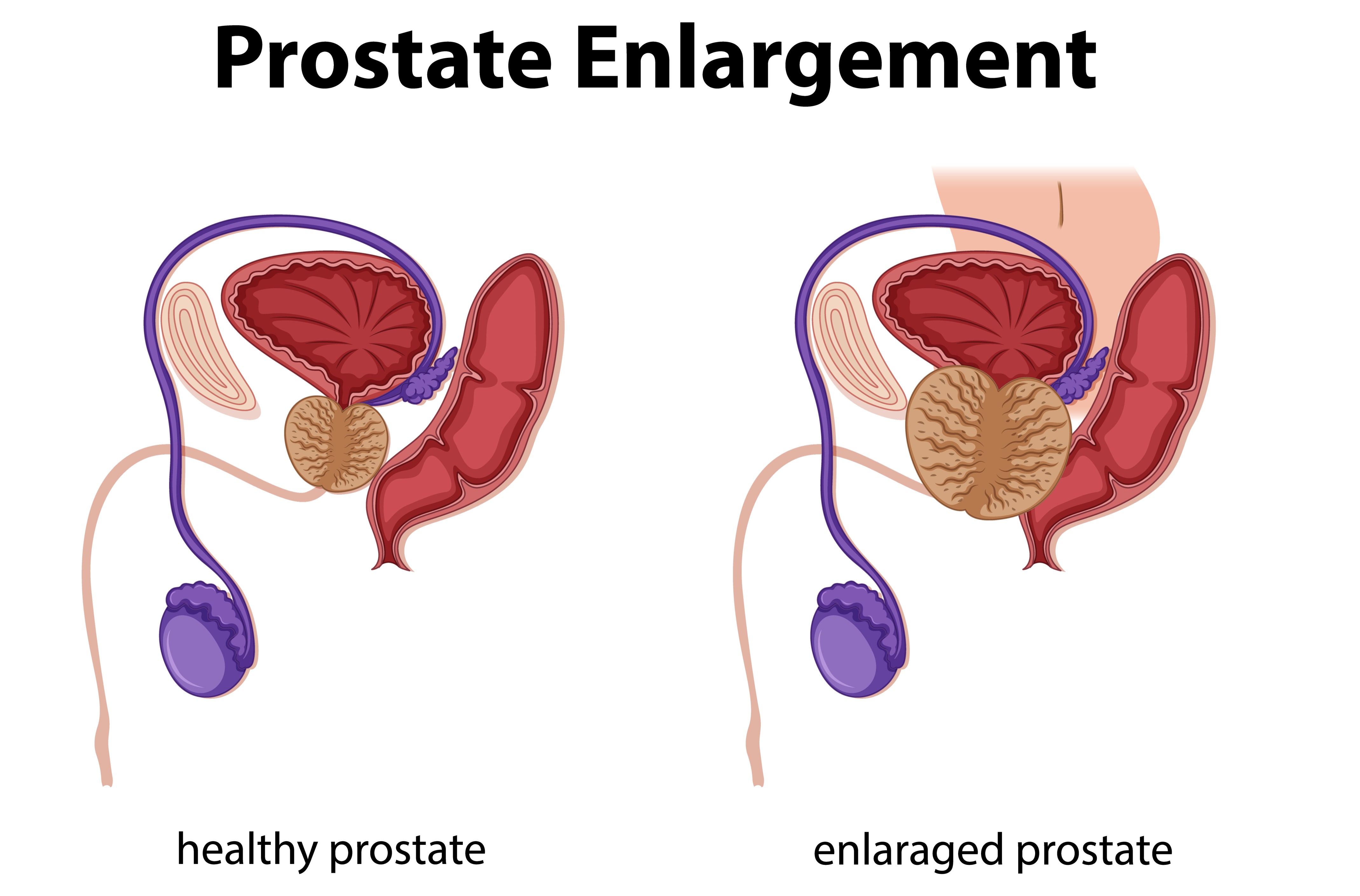
The prostate is a small gland located below the bladder and around the urethra, the tube that carries urine out of the body. It produces fluid that forms part of semen.
As men grow older, the prostate may gradually increase in size. When this enlargement presses against the urethra, it can restrict urine flow and make it difficult to empty the bladder completely.
Benign prostatic hyperplasia is a non-cancerous enlargement of the prostate. It is not prostate cancer, although some symptoms can overlap with those of other urinary or prostate conditions. A proper medical assessment is important to determine the cause of symptoms.
Common Symptoms of an Enlarged Prostate
Enlarged prostate symptoms may develop gradually and become more noticeable over time. Common symptoms include:
- Frequent urination: Needing to pass urine more often than usual, especially during the night.
- Difficulty starting urination: Taking longer to begin passing urine.
- Weak urine stream: Experiencing a slow or interrupted flow of urine.
- Incomplete bladder emptying: Feeling that urine remains in the bladder after urination.
- Urgency: Experiencing a sudden or difficult-to-control need to urinate.
- Urine dribbling: Noticing a few drops of urine after finishing.
If these symptoms affect sleep or daily activities, consult a prostate specialist in Hanamkonda and Warangal for an appropriate evaluation.
Causes and Risk Factors of BPH
The exact cause of benign prostatic hyperplasia is not fully understood. Age-related hormonal changes are believed to play an important role in prostate growth.
Factors associated with an increased likelihood of BPH include ageing, a family history of prostate problems, hormonal changes, obesity, diabetes, and certain metabolic conditions.
BPH cannot always be prevented. However, maintaining overall health and seeking medical advice when urinary symptoms appear can help support better urinary health.
Men experiencing persistent symptoms can discuss their risk factors and medical history with a urologist to understand whether further assessment is needed.

How Is an Enlarged Prostate Diagnosed?
Diagnosing an enlarged prostate usually begins with a discussion about urinary symptoms, medical history, and medicines currently being taken. The doctor may recommend tests based on the symptoms and examination findings.
Investigations may include:
- Physical examination: A digital rectal examination may help assess the prostate.
- Urine test: Helps identify infection or other possible causes of urinary symptoms.
- Blood tests: A prostate-specific antigen (PSA) test may be recommended when appropriate. PSA results require clinical interpretation.
- Ultrasound: May help assess the prostate, bladder, and urine remaining after urination.
- Urine flow testing: Measures the speed and pattern of urine flow.
- Additional investigations: Cystoscopy or other tests may be advised in selected cases.
Not every patient needs every test. A urologist can determine which investigations are appropriate based on individual symptoms and clinical findings.
BPH Treatment Options: Medicines and Lifestyle Changes
Treatment for an enlarged prostate depends on the severity of symptoms, their effect on daily life, examination findings, and whether complications are present. Men with mild symptoms may only need regular monitoring and lifestyle adjustments.
Lifestyle measures may include adjusting fluid intake close to bedtime, limiting caffeine or alcohol if they worsen symptoms, and avoiding delaying urination.
Certain prescription medicines can relax muscles around the prostate and bladder outlet to improve urine flow. Other medicines may gradually reduce prostate size in suitable patients.
Medicine selection depends on individual health conditions, potential side effects, and other medicines being taken. Do not start, stop, or change medication without consulting a healthcare professional.
Minimally Invasive Procedures and Surgery for BPH
If medicines do not provide sufficient relief or complications develop, a urologist may recommend a procedure. The appropriate option depends on prostate size, anatomy, symptom severity, and the patient's overall health.
Treatment procedures may include:
- Transurethral resection of the prostate (TURP): Removes obstructing prostate tissue through the urethra.
- Laser procedures: Use laser energy to remove or reduce prostate tissue.
- Other minimally invasive treatments: Selected procedures may improve urine flow by reducing obstruction or widening the urinary passage.
Not every procedure is suitable for every patient. Before treatment, discuss the expected benefits, possible risks, recovery time, and potential effects on urinary and sexual function with the urologist.
When to Consult a Urologist for Prostate Problems
Arrange a medical consultation if urinary symptoms persist, become worse, disturb sleep, or interfere with everyday activities. Early evaluation can help identify BPH and distinguish it from infections, bladder conditions, or other prostate problems.
Seek urgent medical care if you cannot pass urine at all, notice visible blood in your urine, or experience urinary symptoms accompanied by fever and significant pain. An inability to urinate requires emergency assessment.
If you are looking for the best urologist for prostate problems in Hanamkonda and Warangal, consider relevant specialist qualifications, appropriate diagnostic services, clear communication, and individualised treatment planning.
Recovery and Follow-Up After BPH Treatment
Recovery varies depending on the treatment selected. Men taking medication may need follow-up appointments to review symptom improvement and monitor possible side effects.
After a procedure, some patients may temporarily experience urinary urgency, mild discomfort, or blood in the urine. The recovery process and expected symptoms depend on the procedure performed.
Follow your healthcare team's instructions regarding medication, activity, hydration, and follow-up visits. Contact a healthcare professional promptly if you develop heavy bleeding, fever, worsening pain, or difficulty passing urine.
BPH Treatment at Nephron Kidney Centre
Men experiencing urinary symptoms can contact Nephron Kidney Centre to enquire about assessment and suitable treatment options for prostate and urinary health concerns.
If you are searching for enlarged prostate treatment in Hanamkonda and Warangal, a consultation can help review your symptoms, medical history, and available test results. The next steps may include lifestyle changes, medication, further investigations, or a procedure, depending on the clinical findings.
Confirm the availability of relevant specialist services and appointments directly with the centre before visiting.
Why Choose Nephron Kidney Centre for Prostate Care?
Choosing appropriate medical care is important when managing prostate-related urinary symptoms. Patients should look for relevant specialist expertise, suitable diagnostic support, clear explanations, and a treatment plan based on their individual needs.
Nephron Kidney Centre provides a point of contact for people seeking guidance about kidney and urinary health concerns. Patients can enquire about the assessment of prostate symptoms, available diagnostic services, treatment choices, and follow-up arrangements.
Do not ignore persistent urinary difficulties or rely on home remedies alone. Professional assessment can help identify the possible cause and guide decisions about appropriate care.
Nephron Kidney Centre
Frequently Asked Questions About Enlarged Prostate (BPH)
Common symptoms include frequent urination, waking up
at night to urinate, a weak or interrupted urine stream,
difficulty starting urination, urgency, dribbling, and
a feeling that the bladder has not emptied completely.
Persistent symptoms should be assessed by a healthcare
professional.
BPH is associated with ageing and hormonal changes.
Family history and certain metabolic health conditions
may also be associated with an increased likelihood of
prostate enlargement. The exact cause is not fully
understood.
No. Benign prostatic hyperplasia is a non-cancerous
enlargement of the prostate and is not prostate cancer.
However, some urinary symptoms can occur with different
conditions, so medical evaluation is important to
identify the cause.
Assessment may include a review of symptoms and medical
history, a physical examination, urine tests, selected
blood tests such as PSA, ultrasound, and urine flow
testing. The doctor decides which investigations are
appropriate for each patient.
Treatment may include monitoring, lifestyle adjustments,
prescription medicines, or procedures such as
transurethral resection of the prostate (TURP) and
selected laser treatments. The appropriate option
depends on symptom severity, clinical findings, and
individual health needs.
No. Men with mild symptoms may only need monitoring and
lifestyle adjustments. Medicines or procedures may be
considered when symptoms become troublesome or
complications develop. A healthcare professional can
help determine the appropriate approach.
Some lifestyle adjustments may help manage symptoms.
These can include reducing fluids close to bedtime,
limiting caffeine or alcohol if they worsen symptoms,
and avoiding holding urine for long periods. Lifestyle
changes may not be sufficient for everyone, so seek
medical advice if symptoms persist.
Consult a urologist if urinary symptoms persist, worsen,
disturb sleep, or interfere with daily activities. Seek
urgent medical care if you cannot pass urine, notice
visible blood in the urine, or have urinary symptoms
with fever and significant pain.
Depending on the patient's condition, options may
include transurethral resection of the prostate (TURP),
laser procedures, or selected minimally invasive
treatments. A urologist can explain the potential
benefits, risks, recovery time, and suitability of each
option.
You can contact Nephron Kidney Centre to enquire about
evaluation of prostate-related urinary symptoms and
the availability of relevant specialist services.
Confirm appointment availability and treatment
options directly with the centre.
Enlarged Prostate Treatment at Nephron Kidney Centre
An enlarged prostate is a common condition that can affect urinary function, sleep, and quality of life, particularly as men age. Recognising symptoms and receiving an appropriate diagnosis can help identify suitable management options and reduce the risk of complications.
If you experience frequent urination, a weak urine stream, or difficulty emptying your bladder, contact Nephron Kidney Centre to enquire about enlarged prostate treatment in Hanamkonda and Warangal. A medical consultation can help you understand your symptoms and make informed decisions about your urinary health.