Early Signs of Prostate Disease You Should Never Ignore
Prostate problems are common among men, particularly as they get older. However, symptoms such as frequent urination, a weak urine stream, or difficulty emptying the bladder are sometimes ignored because they develop gradually.
These changes should not always be considered a normal part of ageing. They can be linked to different prostate conditions and may require evaluation by a urologist. Recognising the early signs of prostate disease can help identify the underlying problem and allow appropriate treatment at the right time. If you notice changes in your urinary habits, especially if they persist or become worse, it is important to seek medical advice.
What Is Prostate Disease?
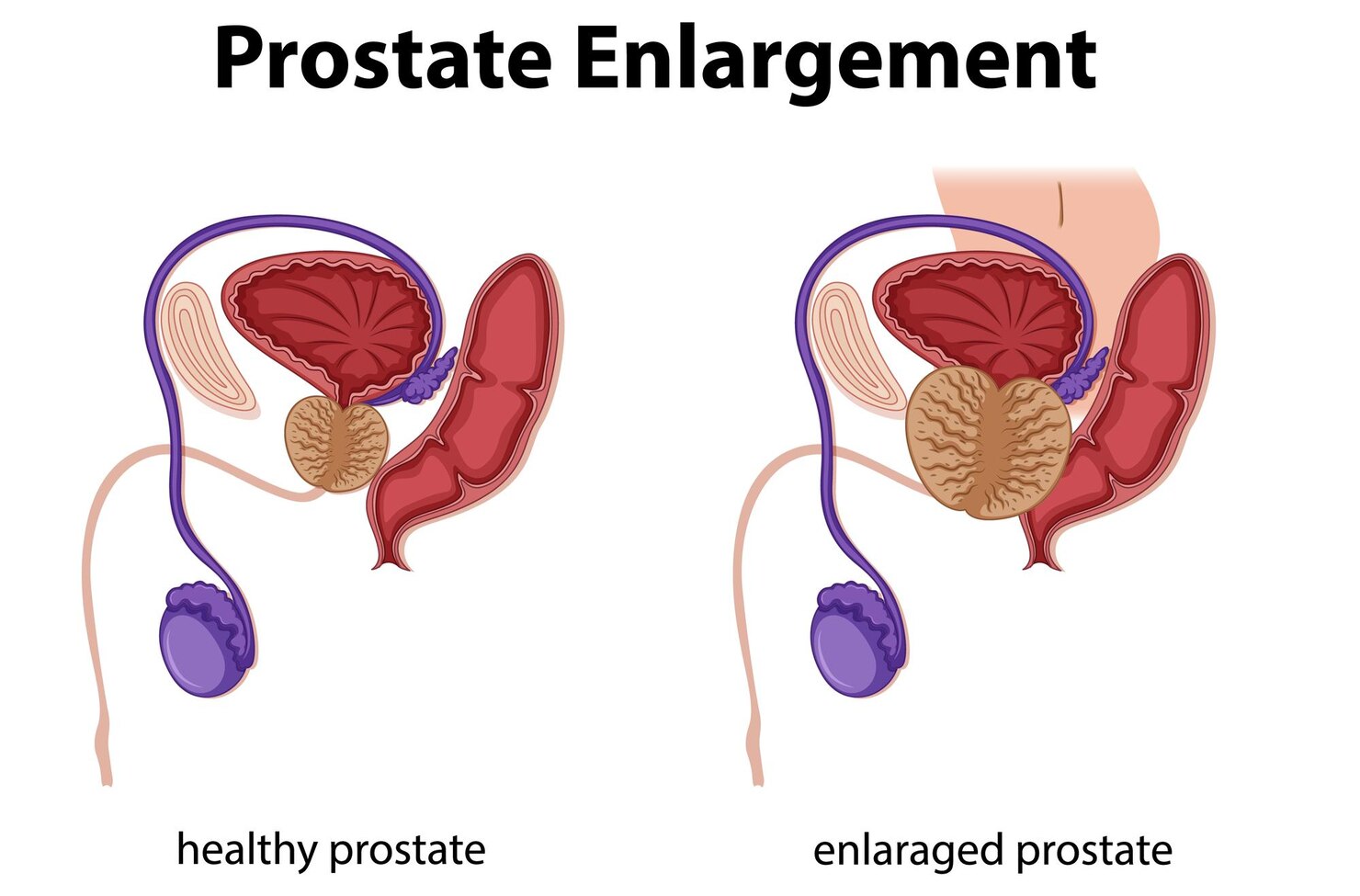
The prostate is a small gland located below the bladder in men. It surrounds part of the urethra, the tube that carries urine out of the body.
Different conditions can affect the prostate, including benign prostatic hyperplasia (BPH), prostatitis, and prostate cancer. These conditions are different, but some of their symptoms can overlap.
An enlarged prostate, for example, can press against the urethra and interfere with normal urine flow. Prostate inflammation can cause pain and urinary discomfort, while some prostate cancers may not cause noticeable symptoms in their early stages.
This is why persistent urinary changes should be medically evaluated rather than self-diagnosed.
Common Early Signs and Symptoms of Prostate Problems
Prostate problems can cause changes in urination that gradually become more noticeable.
- Needing to urinate frequently
- Waking up several times at night to urinate
- A weak or slow urine stream
- Difficulty starting urination
- Urine flow that starts and stops
- Feeling that the bladder has not emptied completely
- Dribbling after urination
- Urgency to urinate
- Pain or burning during urination
- Blood in the urine or semen in some cases
Having one of these symptoms does not necessarily mean you have a serious prostate disease. Several urinary conditions can produce similar symptoms. A proper examination is needed to identify the cause.

Frequent Urination: Could It Be a Prostate Problem?
Frequent urination is one of the symptoms men often overlook.
If you find yourself visiting the bathroom more often than usual, particularly at night, it may be related to an enlarged prostate or another urinary condition.
When the prostate enlarges, it can partially obstruct the urethra. The bladder may then need to work harder to push urine out, which can create a frequent urge to urinate.
However, frequent urination can also be caused by conditions such as urinary tract infections, diabetes, certain medications, or excessive fluid intake.
If the change is persistent, a urologist can help determine the underlying cause.
Weak or Interrupted Urine Flow
A noticeable reduction in urine flow should not be ignored.
You may notice that the stream has become weaker than before, takes longer to start, or stops and starts during urination. These symptoms can occur when an enlarged prostate places pressure on the urethra.
Some men gradually adjust to these changes and may not realise that their urinary function has changed significantly.
If a weak or interrupted stream continues, medical assessment is recommended. Early evaluation can help identify whether prostate enlargement or another urinary problem is responsible.
Difficulty Starting or Emptying the Bladder
Do you have to wait before urine starts flowing?
Do you still feel that your bladder is full after using the toilet?
These can be important early signs of prostate disease, particularly when they occur alongside a weak urine stream or frequent urination.
Difficulty emptying the bladder can become uncomfortable and, in some cases, lead to complications if significant urinary obstruction develops.
A urologist can assess your symptoms and determine whether the prostate, bladder, urethra, or another condition is contributing to the problem.
Pain or Discomfort While Urinating
Pain, burning, or discomfort while passing urine can have several possible causes.
Prostate inflammation, urinary infections, and other urinary tract conditions may produce these symptoms. Some men may also experience discomfort in the lower abdomen, pelvis, lower back, or area between the scrotum and anus, depending on the underlying condition.
Painful urination should not be ignored, especially if it is accompanied by fever, difficulty passing urine, blood in the urine, or worsening symptoms.
Prompt medical evaluation can help identify the cause and guide appropriate treatment.
When Should You Consult a Urologist?
You should consider consulting a urologist if urinary symptoms are persistent, recurrent, or interfering with your daily life.
Seek medical attention promptly if you experience:
- Blood in your urine
- Inability to pass urine
- Severe urinary pain
- Fever associated with urinary symptoms
- Sudden or significant changes in urination
- Persistent difficulty emptying your bladder
You do not have to wait until symptoms become severe before seeking help. A urologist can assess your symptoms, medical history, and risk factors and recommend appropriate investigations.
How Is Prostate Disease Diagnosed?
Diagnosis depends on the symptoms and suspected condition. A urologist may recommend a combination of medical history, physical examination, and diagnostic tests.
Depending on the situation, evaluation may include:
- Digital rectal examination
- Urine tests
- Blood tests, including PSA when appropriate
- Ultrasound
- Measurement of urinary flow
- Assessment of bladder emptying
- Other imaging or diagnostic procedures when required
Not every patient needs every test. The doctor will determine which investigations are appropriate based on individual symptoms and clinical findings.
Treatment Options for Prostate Disease
Treatment depends on the specific prostate condition, severity of symptoms, age, overall health, and other individual factors.
For benign prostate enlargement, treatment may range from monitoring and lifestyle changes to medicines or procedures when necessary.
Prostatitis may require treatment based on its underlying cause. When prostate cancer is suspected or diagnosed, treatment is selected according to the type and stage of the disease and may involve active surveillance, surgery, radiation therapy, medicines, or other approaches.
The important point is that prostate disease treatment should be based on a confirmed diagnosis, rather than treating symptoms without understanding their cause.
Prostate Disease Diagnosis and Treatment in Hanamkonda
If you are experiencing urinary changes and looking for prostate disease diagnosis and treatment in Hanamkonda, consulting an experienced urologist can be an important first step.
At Nephron Kidney Centre, patients can receive urological evaluation for urinary and prostate-related concerns. The medical team can assess symptoms, recommend appropriate investigations, explain the diagnosis, and discuss suitable treatment options.
Early consultation is especially important when symptoms are persistent or progressively worsening. Getting evaluated does not necessarily mean that you have a serious disease—it simply helps identify what is causing the symptoms.
Nephron Kidney Centre
FAQs – Early Signs of Prostate Disease & Urological Care in Hanamkonda
Common symptoms can include frequent urination, nighttime
urination, weak urine flow, difficulty starting urination,
incomplete bladder emptying, and urinary discomfort. These symptoms
can have several causes and require proper evaluation.
No. Frequent urination can also result from urinary infections,
diabetes, medications, or increased fluid intake. A urologist can
help determine the underlying cause.
Yes. An enlarged prostate can put pressure on the urethra and make
urine flow weaker or interrupted. Other urinary conditions can
cause similar symptoms.
Consult a urologist if urinary symptoms persist, worsen, or
interfere with your daily activities. Blood in the urine or
inability to urinate requires prompt medical attention.
Some prostate conditions, including certain cases of benign
prostate enlargement, can initially be managed with lifestyle
measures or medicines. Treatment depends on the diagnosis and
severity.
For prostate-related urinary symptoms, you can consult
Nephron Kidney Centre in Hanamkonda for evaluation,
diagnosis, and discussion of appropriate treatment options.
Don't Ignore Changes in Your Urinary Health
The early signs of prostate disease can sometimes appear gradually, making them easy to overlook. Frequent urination, weak urine flow, difficulty emptying the bladder, and painful urination deserve attention when they persist.
If you or a family member is experiencing prostate or urinary symptoms, Nephron Kidney Centre can help you take the next step with professional urological evaluation.
Don't wait for symptoms to become severe. Contact Nephron Kidney Centre today to schedule a consultation and get your prostate health evaluated.